
5 Things to Consider When Buying Skincare Care Products
Have you ever checked skincare packaging around and read words like "hydrating", "dermatologist-tested", or "100% vegan" and wondered if they actually mean anything?
If yes, then you are not alone. According to a global consumer report, over 68% of shoppers admit they find skincare labels confusing and struggle to distinguish real safety claims from marketing hype.
When you invest in your skin, how can you be sure a product is actually safe, compatible, and effective? Before adding that next skincare to your cart, here are 5 essential things you must look for:
1. Product Claims and Supporting Evidence
Never rely on front-package promises alone. A brand can claim "brightening" or "anti-ageing", but solid evidence must sit behind those claims. Look for brands that can substantiate their performance claims with appropriate testing and evidence, while also following applicable manufacturing and regulatory requirements.
2. Safety and Allergen Verification
A product should enhance your skin, not inflame it. Always check whether the formula has undergone rigorous skin safety testing.
- Patch Testing: Assesses the product's skin irritation potential under tested conditions.
- Safety Assessments: Evaluates the safety profile of the final formula and its ingredients.
- Ingredient & Allergen Disclosure: Helps you identify and avoid personal triggers.
- Microbiological Testing: Confirms proper preservation against contamination.
For example, SEORE PDRN Glow Capsule Cream has undergone patch testing to assess skin irritation under the tested conditions.
3. Stability and Shelf-Life Testing
What happens when your skincare sits on a warm bathroom shelf for three months? Without proper testing, active ingredients can lose their efficacy or alter in consistency.
- Certificate of Analysis (COA): Provides batch-specific test results against specified quality parameters.
- Stability Test Reports: Help establish how the formula maintains its texture, appearance, and physical characteristics over time.
For a skincare product, stability and batch-quality testing are important because they help establish that the formula remains within its specified quality parameters throughout its intended shelf life. These are among the quality checks considered when developing and manufacturing SEORE products.
4. Regulatory Approvals amp; Certifications
Compliance is non-negotiable. Legitimate skincare brands willingly submit their formulas to official regulatory bodies for inspection.
- Look for official FDA reports and clear manufacturing licences.
- Ensure sunscreen or SPF products possess authorised lab verifications for broad-spectrum protection.
SEORE Vegan Sun Shield SPF 50+ PA++++ comes with verified UVA protection reports, SPF testing documentation, and non-animal testing/vegan certifications.
5. Ethical Transparency
True quality goes beyond skin-deep safety; it includes ethical integrity. A reputable brand transparently discloses its cruelty-free standing, non-animal testing verification, and clear supplier authorisation letters.
Why Evidence Matters
Consumers are becoming more careful about what they put on their skin. That shift is positive. Good beauty products should not need to rely only on impressive words. Their claims should be supported by testing, documentation and responsible manufacturing practices.
At #SEORE, we believe transparency starts with evidence. From COA and patch testing to stability, compatibility, SPF, UVA and manufacturing documentation, the supporting records help give consumers a clearer picture.
Read more
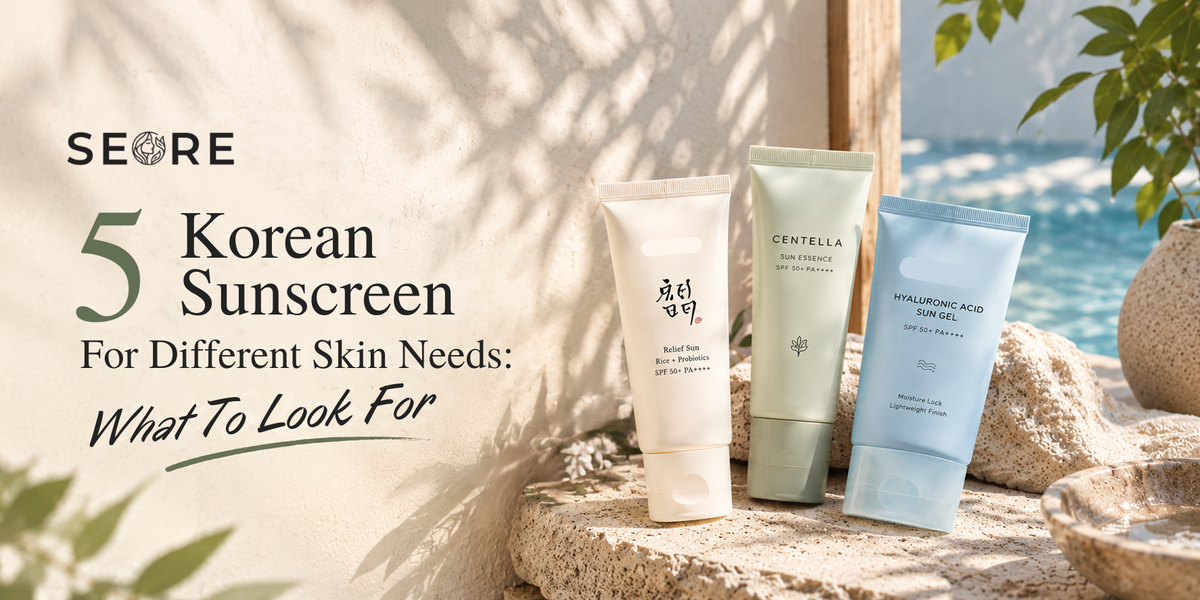
Comparing 5 Korean sunscreens by SPF/PA, ingredients and texture - helping you choose the right daily sunscreen for your skin type and Indian weather.
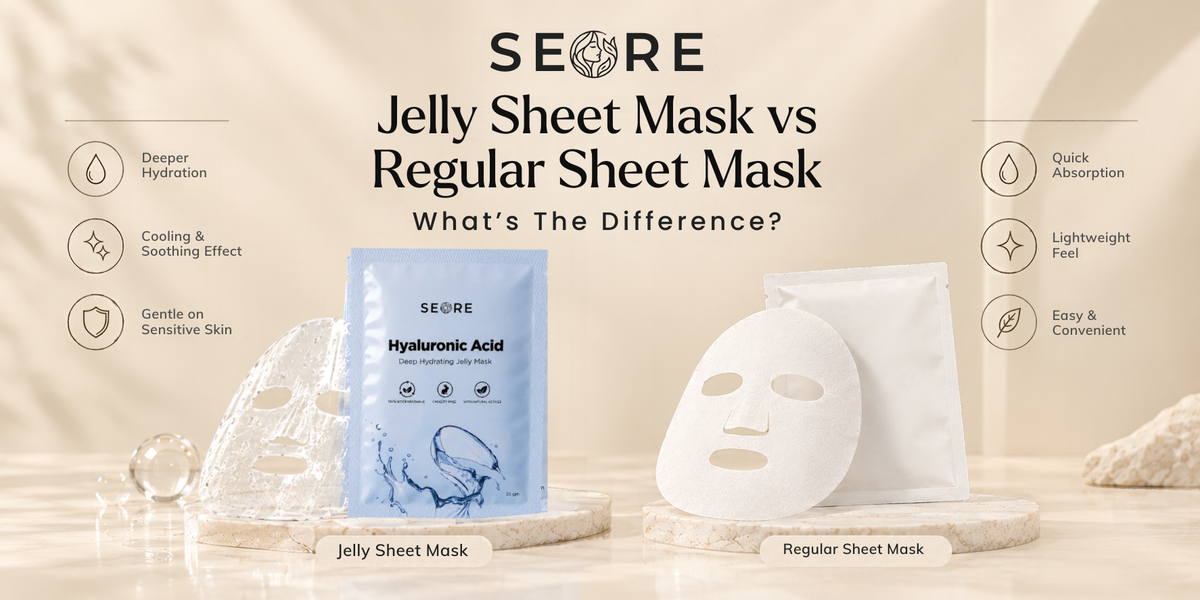
Jelly face mask or regular sheet mask? Compare texture, hydration, finish and how long each stays moist, plus how to pick one for your skin.
Leave a comment
This site is protected by hCaptcha and the hCaptcha Privacy Policy and Terms of Service apply.