
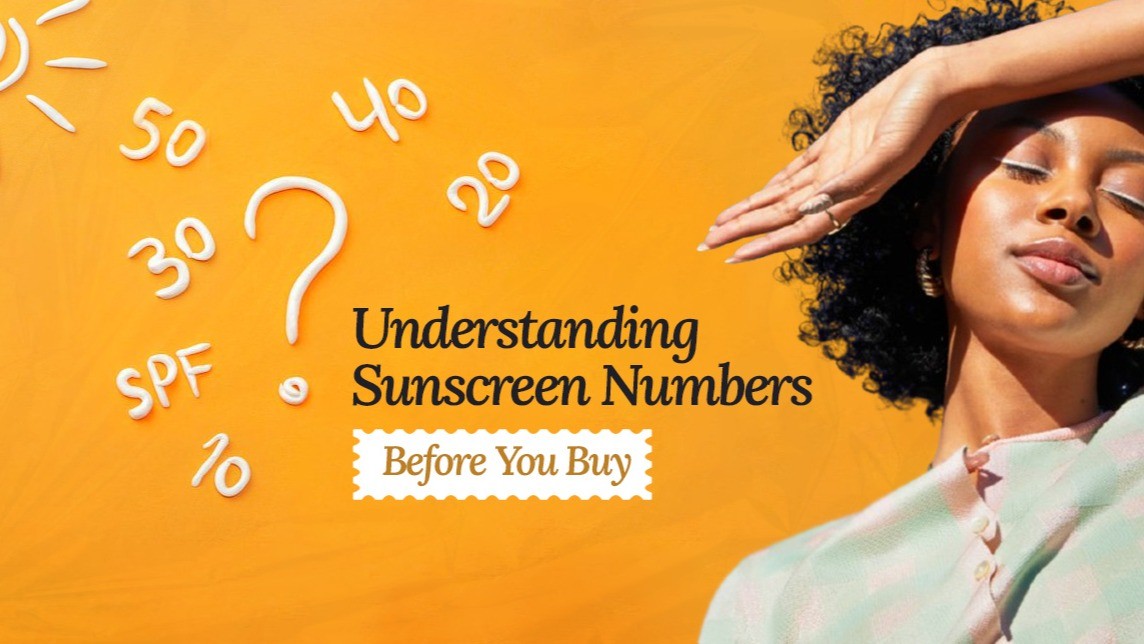
SPF 30, SPF 40, or SPF 50+? Understanding Sunscreen Numbers Before You Buy!
Many people believe SPF 50 offers dramatically more protection than SPF 30. In reality, the difference is much smaller than the numbers suggest, but understanding that difference can completely change how you choose a sunscreen.
Regular use of a broad-spectrum sunscreen with SPF 15 or higher can reduce the risk of squamous cell carcinoma by about 40% and lower the risk of melanoma by 50%. That shows sunscreen is not just a summer essential. It is one of the most effective daily skincare habits for protecting your skin from long-term sun damage.
Knowing how SPF works helps you choose the right protection for your lifestyle while keeping your skin healthy every day.
Why SPF Numbers Matter
SPF specifically measures protection against UVB rays. These are the high-energy wavelengths responsible for sunburns and surface cell damage. However, skin damage goes deeper. UVA rays penetrate the dermis, causing premature ageing, collagen breakdown, and hyperpigmentation.
A complete sun protection strategy requires the following:
- Broad-Spectrum Protection: Shielding skin from both UVA and UVB wavelengths.
- PA Ratings (e.g., PA++++): While SPF measures UVB defence, PA measures UVA protection. PA++++ indicates the highest possible level of UVA shielding against deep tissue damage.
- Modern Photostable Filters: Next-generation UV filters like Ethylhexyl Triazone, Mexoryl SX, Uvinul A Plus, and Tinosorb S that do not break down quickly under direct sunlight.
Breaking Down the Numbers: SPF 30 vs. SPF 40 vs. SPF 50+
The real difference in SPF number lies in how much UV radiation reaches your skin, especially during prolonged sun exposure or when sunscreen isn't applied perfectly.
SPF 30: Trusted Protection for Everyday Life
SPF 30 blocks approximately 97% of UVB rays, allowing only 3% to reach your skin. It offers reliable daily protection for people with limited outdoor exposure and is a popular choice for routine use. It is most recommended for people who are:
- Daily commuting
- Office and indoor lifestyles
- Running errands
- Short periods in the sun
SPF 30 provides dependable protection for everyday wear when applied generously and reapplied every two hours during continued sun exposure.
SPF 40: A Balanced Upgrade
SPF 40 blocks around 97.5% of UVB rays, offering a minor step up for moderate daily outdoor exposure. SPF 40 is a balanced option if your routine regularly includes outdoor activities and you want an extra layer of protection without changing your skincare routine.
SPF 50+: Maximum Everyday Confidence
SPF 50+ blocks 98% of UVB rays, making it an excellent choice for individuals exposed to stronger sunlight or spending longer periods outdoors. Although the numerical difference between SPF 30 and SPF 50+ is only around 1%, that extra protection becomes valuable during prolonged exposure.
For example, Seore Vegan Sun Shield SPF 50+ PA++++ combines photostable broad-spectrum UVA and UVB filters with ingredients that help maintain healthy-looking skin throughout the day.
Why the 1% Difference Actually Matters
Looking at raw numbers, the gap between 97% (SPF 30) and 98% (SPF 50+) seems tiny. However, looking at UV radiation entering the skin tells a different story: SPF 30 lets 3% of rays through, whereas SPF 50+ lets only 2% through. That means SPF 30 allows 50% more UV rays to hit your skin.
In the real world, almost everyone applies far less sunscreen than the recommended amount. Under light application or during prolonged outdoor exposure, that extra safety margin provided by SPF 50+ becomes significantly more valuable.
SPF 30 vs SPF 40 vs SPF 50+: Which One Should You Choose?
SPF 30 is ideal for everyday indoor routines with limited sun exposure, while SPF 40 suits moderate outdoor activities. SPF 50+ is recommended for extended time outdoors, travel, sports, or anyone seeking higher daily UV protection. Whatever SPF you choose, apply generously and reapply every two hours for effective protection.
Protection Starts with Understanding
The SPF number tells only part of the story. Broad-spectrum protection, comfortable wear, modern UV filters, and ingredients that support hydration and the skin barrier all contribute to an effective product.
This is why formulas like SEORE Vegan Sun Shield SPF 50+ PA++++ combine high SPF with PA++++ broad-spectrum protection and modern photostable UV filters to deliver comprehensive daily defence.
Ultimately, choosing sunscreen isn't just about picking the highest SPF number on the label, it is about choosing a broad-spectrum protection system that fits your daily life and committing to wearing it consistently.
Read more
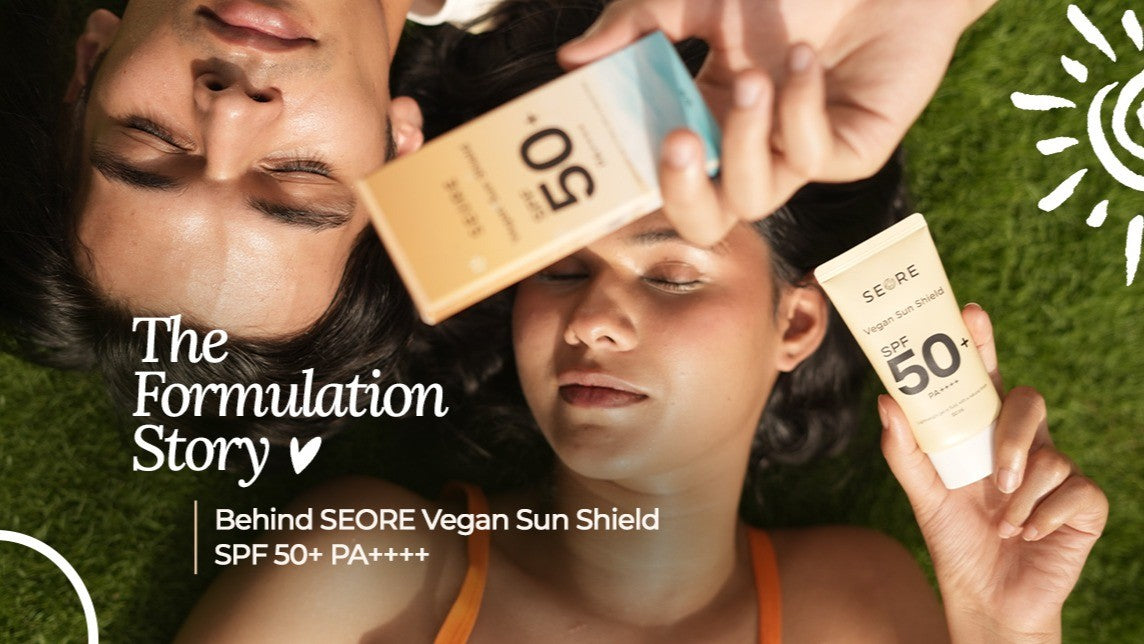
Sunscreen has evolved beyond a basic beach-day necessity to prevent sunburn. Today, it serves as a non-negotiable step in daily urban skincare. Modern consumers expect daily sun care to go beyo...

Just 2 days left for Raksha Bandhan, and you're still scrolling your phone at midnight trying to figure out what to gift your sister - sound familiar? Be honest - didn't you mean to plan this earli...